In our modern era, AI is constantly in the news, whether for the better, or for the worse. Most of the time, though, we look at the more mainstream features of AI – large language models like ChatGPT, ChatGPT’s image model, or perhaps AI generated videos with Sora. I would say, though, that the majority of people aren’t as in tune with another face of generative AI as much as the mainstays, that being the deepfake.
Why wouldn’t you want to learn more about the machine that will change the world forever, though! Read on to learn about the top 10 horrors of the deepfake that you haven’t even thought about, based on the 2019 article by The Guardian.
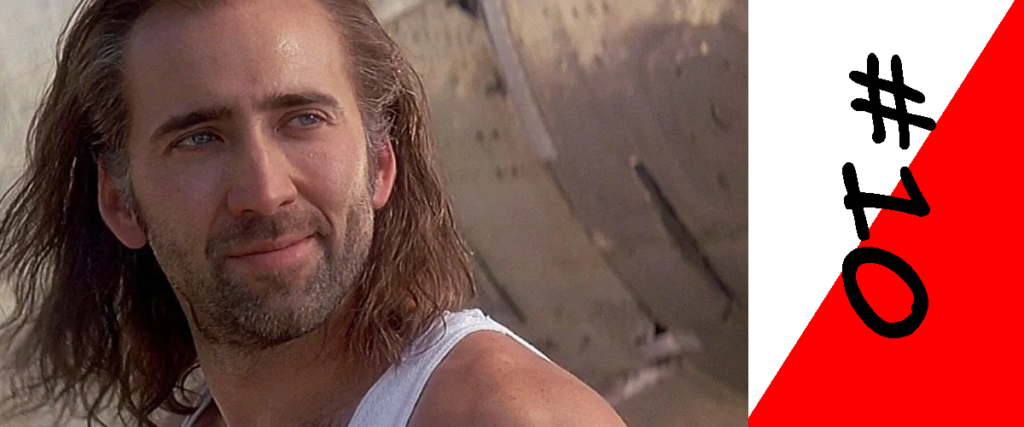
#10 – Putting Actors From One Movie Into Another
Have you ever thought to yourself, “This movie doesn’t have enough Nicholas Cage in it.” (for some reason). Well, deepfakes have you covered! A popular meme once existed where people would deepfake Nicholas Cage onto other actor’s faces, and this skill could easily be transferred onto any actor you want! Just ignore the horrible ramifications for actors’ jobs, and it’s all good fun!
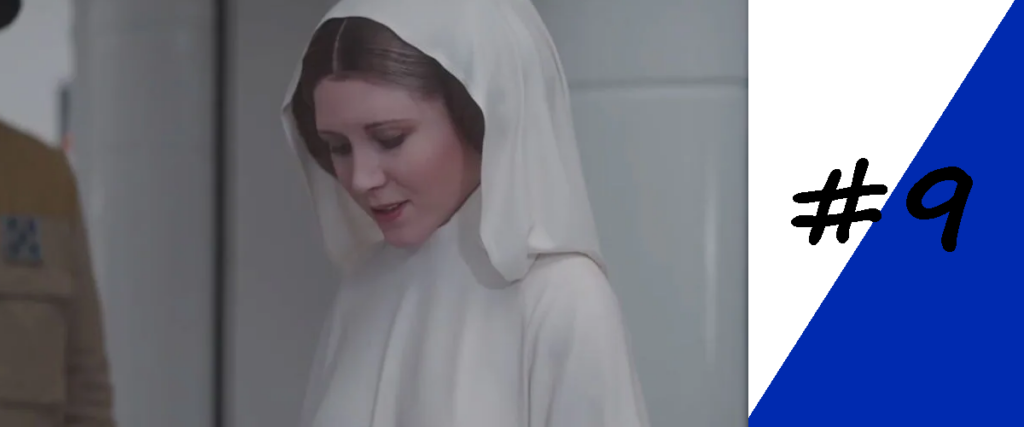
#9 – De-Aging Actors, and Perhaps Raising them from the Dead
Have you ever wanted to include a young Princess Leia in your Star Wars prequel film, but Carrie Fisher just happens to be 60 and doesn’t look like she did in A New Hope? Simple! Just deepfake it. Simply get a body double, and project her younger face from the original films onto the double, easy as pie! Could this technology be used to bring back actors from the dead without their knowledge (since they’re dead)? Don’t think about it too hard!
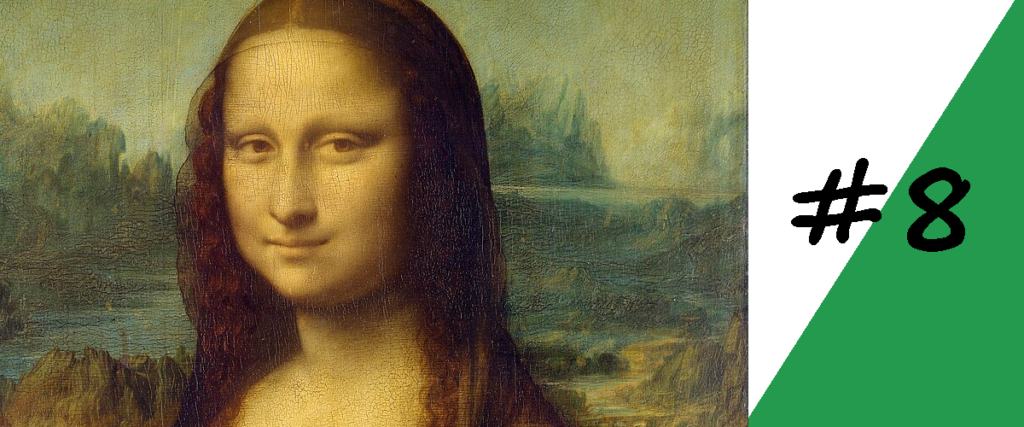
#8 – Being Used to Add Life to Your Favorite Paintings
Have you ever looked at a piece of art and thought, “Man, I want to disregard any artistic intention or meaning, and make the painting move? Well, fear not, because researchers at Samsung’s AI lab have done just that! Using deepfakes, they were able to make paintings such as the Mona Lisa or Salvador Dali move! Using AI to modify others’ art, what else could you want?
#7 Being Used as a Widely Available Software
Software exists which allows even ordinary people to make deepfakes, albeit with a watermark. This led directly to the creation of a piece of software called DeepFakeLab, which can, “replace the target’s face below the forehead.” Surely the general public can be trusted with software like this, right?
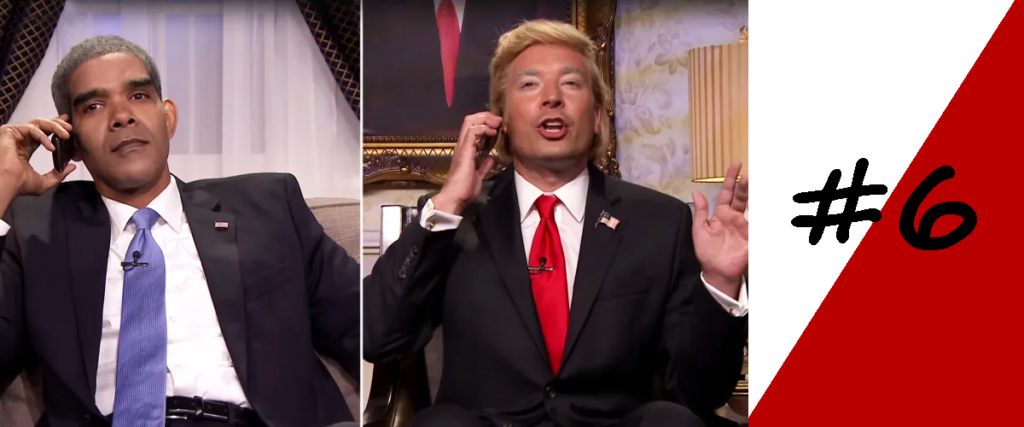
#6 Being Used to Make Videos Involving Politicians
On March 5th, 2019, the youtube channel derpfakes uploaded an edited video of an old Jimy Falon sketch involving Trump and Obama having a phone call. In this edited video, TRump and Obama’s real faces are transposed onto the actors, giving an uncanny impression, as the realistic faces clash with the actors’ original voices. This is a very concerning development, but hopefully it will stay regulated to parody.
#5 Having the Potential to be Even More Dangerous in the Future
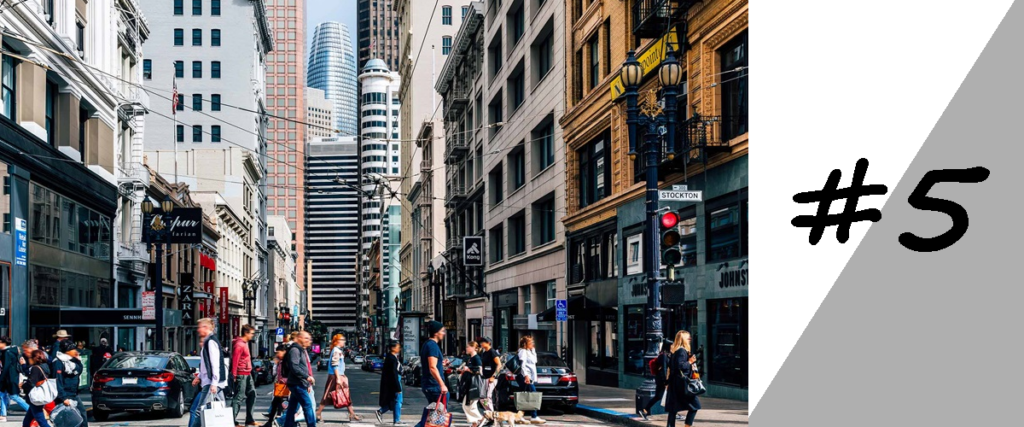
During a US Senate Hearing, Senator Mark Rubio had a concern that deepfakes could be used for “the next wave of attacks against America and western democracies.” He mentioned how a foreign entity such as Russia could deploy a deepfake of a politician the day before an election, affecting opinion and the election before an expert could disprove the video. This would be an alarming scenario for our democracy, and hopefully it stays as a theoretical.
#4 – Having the Chance to have Already Been Used for Propaganda
The thing about deepfakes is that if there are already really good ones, then we don’t realize that they are deepfakes. It is a horrifying consideration, that they might already have been used to affect the opinion of the masses.
#3 – Being Deceptively Used in a Political Ad
In 2018, a Flemish socialist party posted a video of Trump seemingly taunting Belgium. However, a closer look at the video reveals that it is a deepfake, due to the many artifacts left behind in it. The party defended the video as necessary to bring attention to climate change, but the implications of this are horrifying. If parties are already using these videos, then they are, knowingly or not, deceiving people (even more than politicians already do).
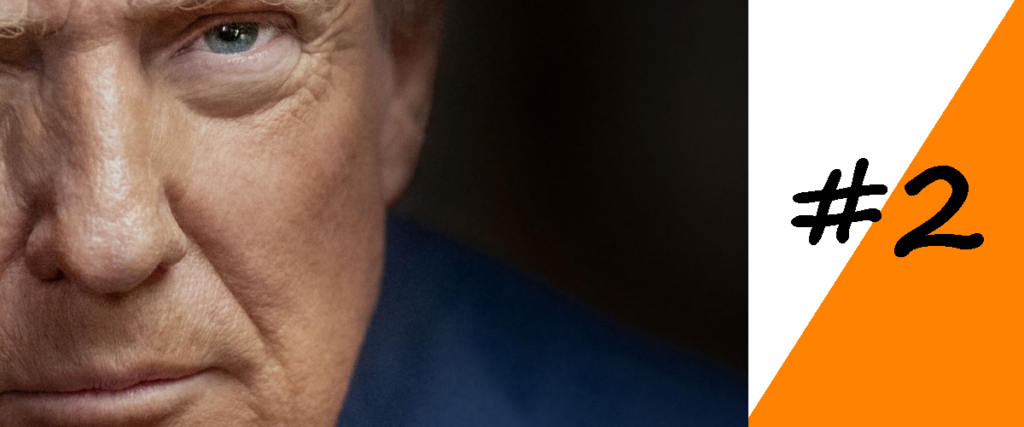
#2 – Having the Ability the Opinion of the Actual President of the US
In 2019, a video that appeared to show Nancy Pelosi slurring through a speech (appearing ill) went viral, even having the President at the time, Donald Trump, posting it. The video, however, was digitally slowed, and the original video shows Pelosi getting through her speech just fine. The fact is, deepfakes can be more convincing than speed edits. If the president can be fooled by this, then what’s stopping him from seeing a deepfake, and having it affect actual US policy?

#1 Being a Part in Pornographic Facial Projections
A final concern for deepfakes is that of porn. More specifically, the use of it to project women’s faces onto those of pornstars, seemingly making erotic material of the nonconsenting person. This has the ability to be a huge problem if deepfaking software becomes prevalent, and is the one issue that affects us all the most directly, and which might need government intervention to address.
Credit to The Guardian for the Original Article
All Images obtained from Google
Carrie Fisher – Rogue One Screenshot